
What HVAC Companies Want You to Know Before Installing a Mini-Split
Understanding what a mini-split system entails can help homeowners make informed decisions before installation, especially when working with a trusted HVAC company. This article explores the insights HVAC companies wish clients knew in advance, enhancing the installation experience and the system's performance. From understanding the technology to preparing your home for installation, this guide covers the essential information homeowners need to ensure a successful mini-split installation. With this knowledge, homeowners can maximize their investment, enjoy superior climate control, and maintain energy efficiency with the support of an experienced HVAC company.
Understanding the Basics of Mini-Split Systems
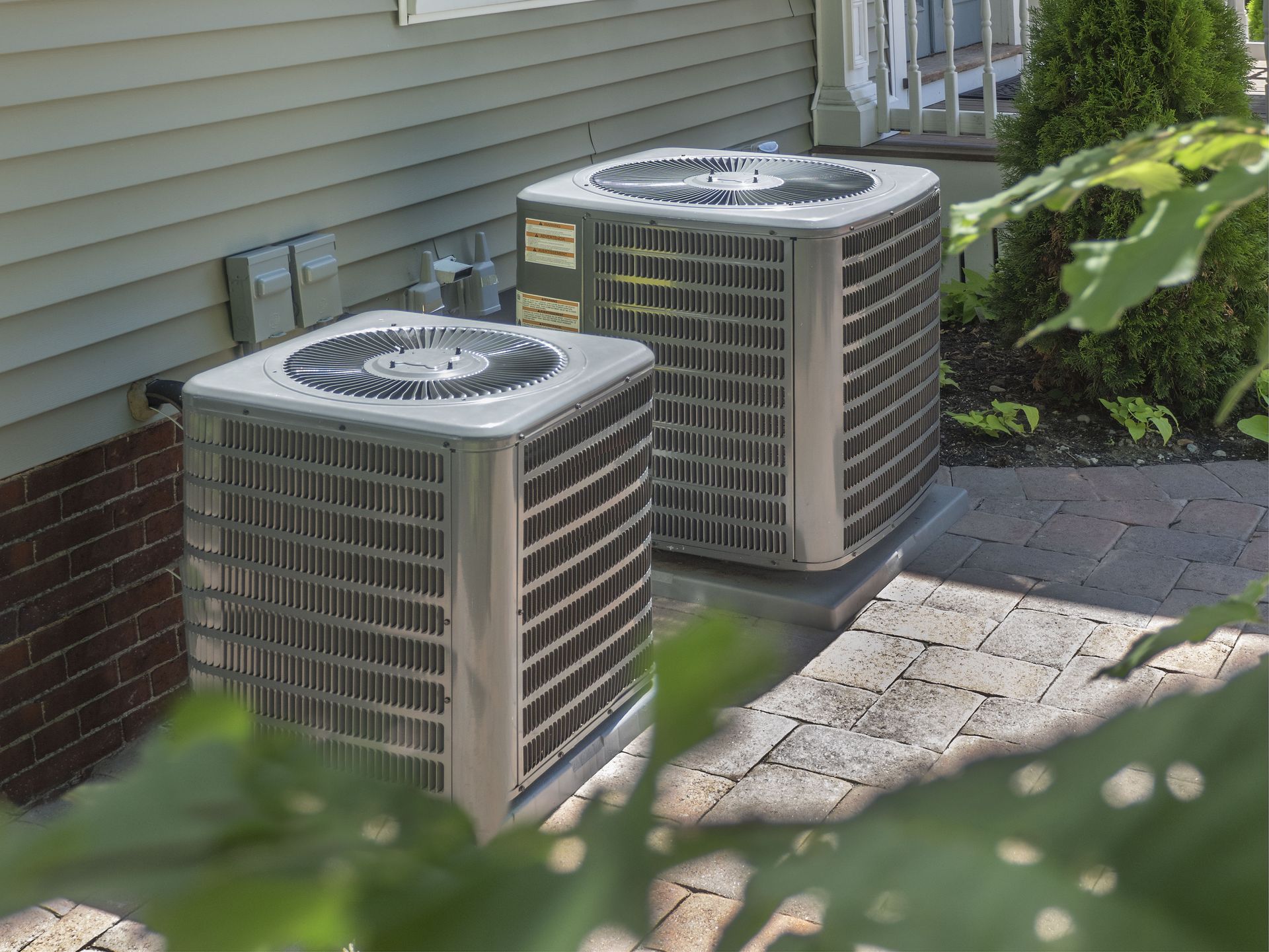
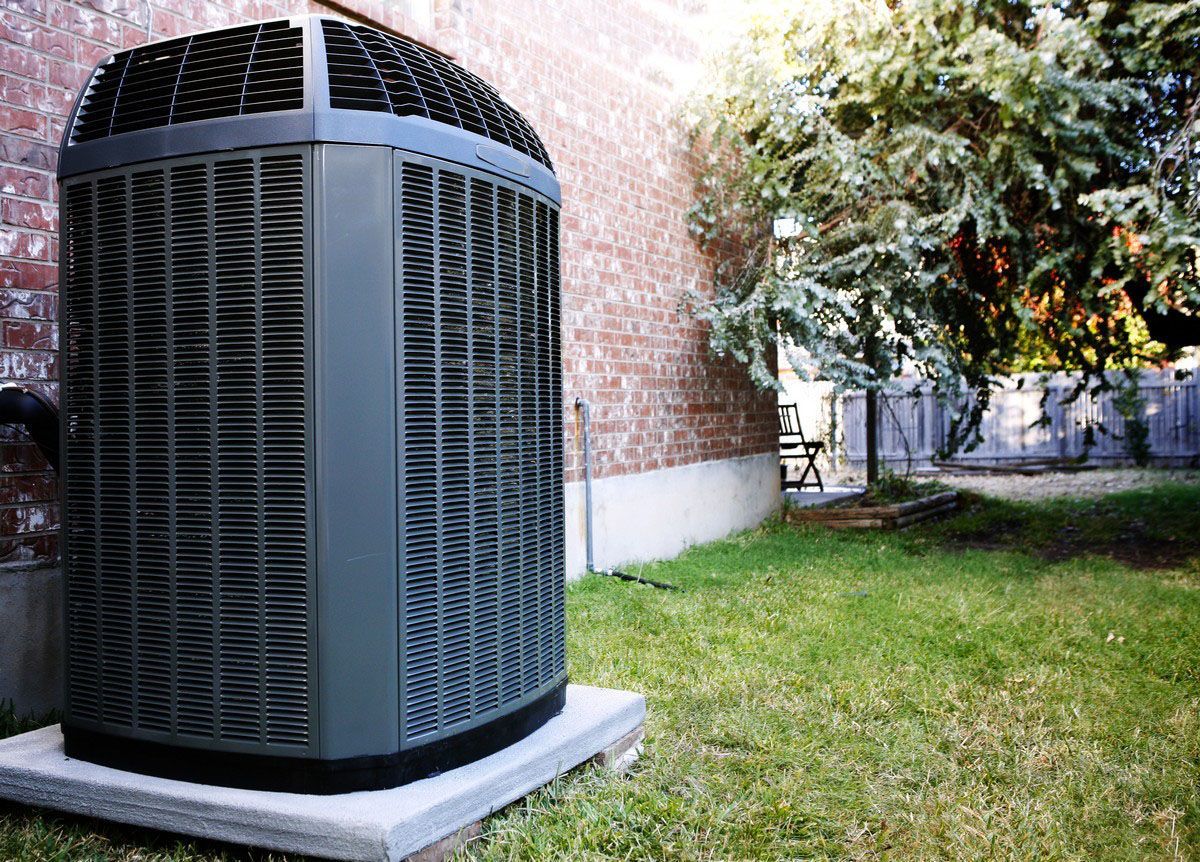
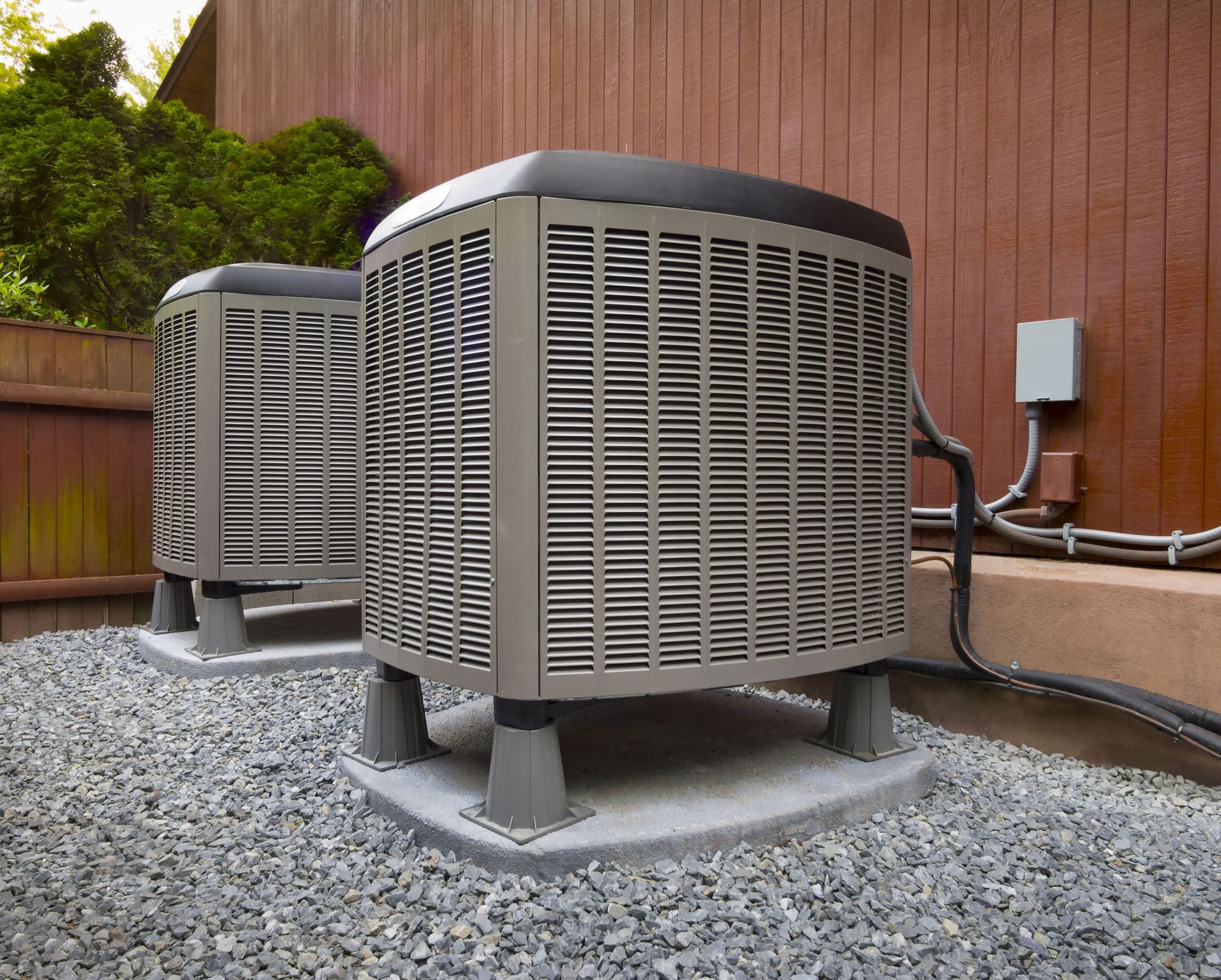
All mini-split systems consist of two main components: the indoor unit and the outdoor unit. The indoor unit is typically mounted on a wall inside the room, and it distributes the conditioned air throughout the space. The outdoor unit houses the compressor, which is responsible for refrigerating the air. Connecting these components is a conduit that contains the power cable, refrigerant tubing, suction tubing, and condensate drain. These components work seamlessly together to deliver efficient cooling and heating to individual zones within your home, often installed and maintained by a qualified HVAC company.
Unlike central air systems that require a network of ductwork, mini-split systems operate without ducts. This aspect makes them favorable for room additions or spaces where adding ducts is impractical. Their design allows for flexible installation options, minimizing the need for extensive renovations. The absence of ducts also means reduced energy loss and greater efficiency. Understanding these differences can help homeowners appreciate the advantages mini-splits offer over traditional systems when consulting with an HVAC company.
The technology behind mini-splits is innovative, employing advanced inverter-driven compressors. These compressors modulate their speed, adjusting to the cooling and heating demands as needed. This flexibility leads to significant energy savings, as the system does not cycle on and off like traditional systems. The ability to control the climate on a room-by-room basis further adds to their efficiency, something any reputable HVAC company will highlight during the planning process.
Deciphering How Mini-Splits Differ from Central Air Systems
All central air systems utilize a centralized unit connected to a network of ducts that distribute air to various rooms. This method can result in uneven heating or cooling and may lead to energy losses due to duct inefficiencies. In contrast, mini-split systems provide individualized control in different areas, allowing for customized climate management. Each indoor unit operates independently, enabling different temperature settings in separate rooms or zones. This feature is particularly beneficial for families with varying comfort needs, as it allows for tailored environments based on recommendations from an HVAC company.
Another key difference is the installation process, as central systems often require significant structural modifications to accommodate ductwork. Mini-splits offer a far less invasive installation, which can be a deciding factor for homeowners considering upgrades in existing homes. The simplicity and flexibility of the mini-split installation process reduce both the time and cost involved. Furthermore, homeowners gain the advantage of targeting specific areas for heating and cooling, maximizing efficiency in spaces that are used most frequently. Such precision improves overall satisfaction with the system's performance when installed by a knowledgeable HVAC company.
The cost considerations between these systems also vary significantly. While central air conditioning systems have an average installation cost of $3,500 to $7,500, mini-splits offer a broad price range. According to Today's Homeowner, installing a single mini-split AC unit costs between $500 and $5,000, while multi-room systems can reach up to $14,500. These figures reflect the versatility and customizable nature of mini-split systems, enabling homeowners to invest according to their specific needs and budgets with guidance from their chosen HVAC company.
Learning About the Technology Behind Mini-Splits
Most mini-split systems utilize split technology, where components are housed separately outside and inside the home. This design minimizes energy transfer loss, one of the system's primary advantages. The technology employed in mini-splits incorporates advanced heat pump mechanisms that allow for efficient temperature regulation year-round. Heat transfer occurs as the system moves refrigerants back and forth between units. The inverter technology in many models allows for variable refrigerant flow, enhancing energy efficiency.
Traditional systems use a single-speed compressor that continually cycles on and off, which can be inefficient. In contrast, mini-splits feature inverter-driven compressors that adjust speed based on demand. By maintaining a consistent temperature, these systems avoid the energy spikes associated with frequent starts and stops. This capability not only improves comfort levels but also prolongs the lifespan of the equipment. The investment in mini-split technology leads to long-term performance benefits and energy savings, particularly when installed correctly by an experienced HVAC company.
Another technological highlight of mini-splits is the user-friendly controls available to homeowners. Many systems offer remote control options via smartphone apps, adding convenience and enhancing usability. These apps make it possible to program temperature settings and monitor energy usage remotely, tailoring the system's operation to a homeowner's schedule. This increased control, coupled with intuitive interfaces, simplifies operating the system for maximum efficiency. By leveraging these technological advancements, homeowners can reduce waste and improve their overall energy management practices.
Using the Most Common Applications
Mini-split systems are versatile and can be installed in various settings, including residential, commercial, and institutional spaces. Their adaptability is one of their most compelling qualities, enabling multiple applications. Homeowners often choose mini-splits for room additions, garages, and sunrooms where extending ductwork is impractical. In commercial spaces, they are ideal for offices, retail spaces, and server rooms that require separate climate control. Their unobtrusive design also makes them a popular choice for historic homes where preserving the structure is essential.
Another frequent application for mini-splits is in multi-family housing units and apartment buildings. With individual units for separate living spaces, tenants can independently manage heating and cooling to their preference. This individual control not only enhances comfort but also provides energy savings as systems can be deactivated in unoccupied spaces. Additionally, landlords can benefit from reduced maintenance requirements compared to centralized systems. Mini-splits' low-profile installation and quiet operation make them ideal for environments where space and noise considerations are critical.
In hospitals, mini-split systems find their niche in providing personalized comfort in guest rooms. Energy-efficient operation aligns with the industry's sustainability goals, offering an environmentally conscious alternative to central air systems. For schools and institutions, mini-splits prove beneficial in managing climates in individual classrooms and offices. By offering targeted heating and cooling where required, these systems contribute to operational efficiency and improved learning environments.
Saving Energy and Costs
Energy efficiency is a core benefit of mini-split systems, allowing homeowners to make significant reductions in their energy consumption. Without the heat loss associated with ductwork, energy demands decrease notably. Unlike conventional systems that power entire homes at once, mini-splits operate selectively, focusing only on areas in use. This zoned approach maximizes efficiency, aligning heating and cooling output with actual needs. As a result, homeowners can expect lower monthly energy costs, making mini-splits a cost-effective solution over time.
Additionally, mini-split systems qualify for various energy rebates and incentives, potentially reducing the initial investment cost. Homeowners who upgrade from less efficient systems may be eligible for tax credits at the federal, state, or local levels. Searching for available incentives can provide financial relief, further enhancing the system's appeal. HVAC professionals or your local HVAC company can assist in identifying and applying for these programs, ensuring homeowners receive the full benefits. By planning for cost savings through incentives, mini-split installations become more financially accessible.
Furthermore, the long-term running costs of mini-splits often prove lower than those of traditional systems due to their efficiency. The use of inverter-driven technology allows systems to ramp up or down based on demand, optimizing energy consumption. Maintenance and repair costs tend to be more manageable as well, given the system's durability and fewer mechanical components. By reducing the frequency and scale of repairs, mini-splits ensure lower lifetime costs.
Mini-split systems offer a flexible, energy-efficient alternative to traditional HVAC solutions, making them an attractive option for many homeowners. By understanding how these systems operate, how they differ from central air, and what installation entails, homeowners can approach the process with confidence. With proper planning and professional guidance from a trusted HVAC company, a mini-split system can deliver long-term comfort, reduced energy costs, and reliable performance tailored to your home’s unique needs. If you are considering HVAC work or upgrades in the Salt Lake Valley area, contact Bill's Comfort Systems today.


Share On: